Amid persistent inflation, revenue shortfalls and growing public expectations, the government is going to announce its most challenging national budget.
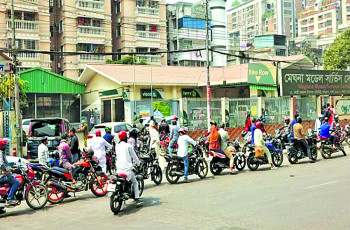
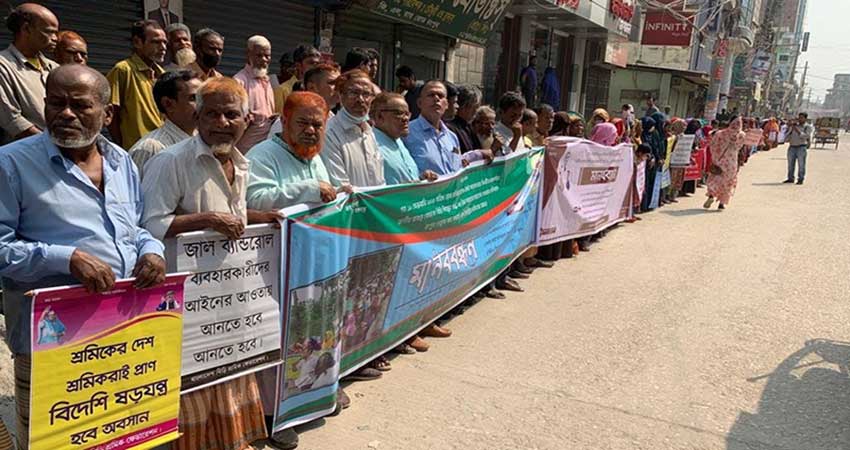
The rising rice price, the struggle to manage household expenses and concerns over potential increases in utility bills-- are the main discussion of Dhaka dwellers of a middle-class family. The dianing table's conversations are no longer limited to children's education or future plans.
Meanwhile, in government offices, economists, bureaucrats and policymakers are grappling with a different set of questions.
How can revenue collection be increased? To what extent can International Monetary Fund (IMF) reform conditions be implemented? How can social protection programmes be expanded without widening the budget deficit?
Standing at the intersection of these realities is Bangladesh’s national budget for fiscal year 2026?"27.
The story behind the numbers
The proposed budget is large in size, but economists describe it as a 'budget of big numbers and difficult choices.' Weak revenue mobilisation, sluggish investment, and persistent inflationary pressures have forced the government to prioritize carefully within limited fiscal space.
Over the past decade, Bangladesh has achieved impressive economic growth. However, recent years have brought new challenges, including global economic uncertainty, pressure on foreign exchange reserves, and longstanding structural weaknesses within the economy.
The Government’s Biggest Challenges
1. Containing Inflation
For ordinary citizens, the most important budget question is simple: Will living costs become more manageable?
Food inflation has continued to place significant pressure on middle- and low-income households. Economists argue that subsidies alone are insufficient. Strengthening supply chains and improving market management will be essential to bringing prices under control.
2. Increasing revenue collection
Bangladesh’s tax-to-GDP ratio remains lower than that of many countries in South Asia.
The central challenge for the government is how to broaden the tax base without imposing excessive burdens on existing taxpayers. Experts have recommended prioritising tax administration reforms, digitalisation, and measures to reduce tax evasion rather than introducing major new taxes.
3. Implementing IMF reforms
Bangladesh’s economic reform agenda is now under close scrutiny from international partners.
Issues such as exchange rate management, rationalisation of tax exemptions, and subsidy reforms have moved to the forefront of policy discussions. While these measures are important for long-term economic stability, they may create political and social pressures in the short term.
4. Investing in social sectors
Economists warn that reducing investment in education, healthcare, and social protection could undermine long-term human capital development.
Policy experts have repeatedly emphasised the need to increase spending in these sectors, arguing that inclusive growth cannot be achieved without stronger investment in people.
5. The economic burden of the Rohingya crisis
Bangladesh continues to host a large population of Rohingya refugees.
As international assistance declines, additional financial pressure may fall on health, education, and humanitarian support services, with implications for the national budget and public finances. Who is this budget for?
For the government, it is a test of credibility.
For businesses, it sends signals about investment and economic direction.
For the middle class, it determines taxation and living costs. For low-income households, it is a matter of economic survival. For young people, it represents hope for employment opportunities and a more secure future.
The Real Challenge: Implementation
In Bangladesh, budget implementation has often proven more difficult than budget preparation.
Slow-moving development projects, administrative bottlenecks, and persistent revenue shortfalls have long been recurring concerns. As a result, many analysts argue that the true test of the 2026?"27 budget will not be found in the finance minister’s speech but in its execution.